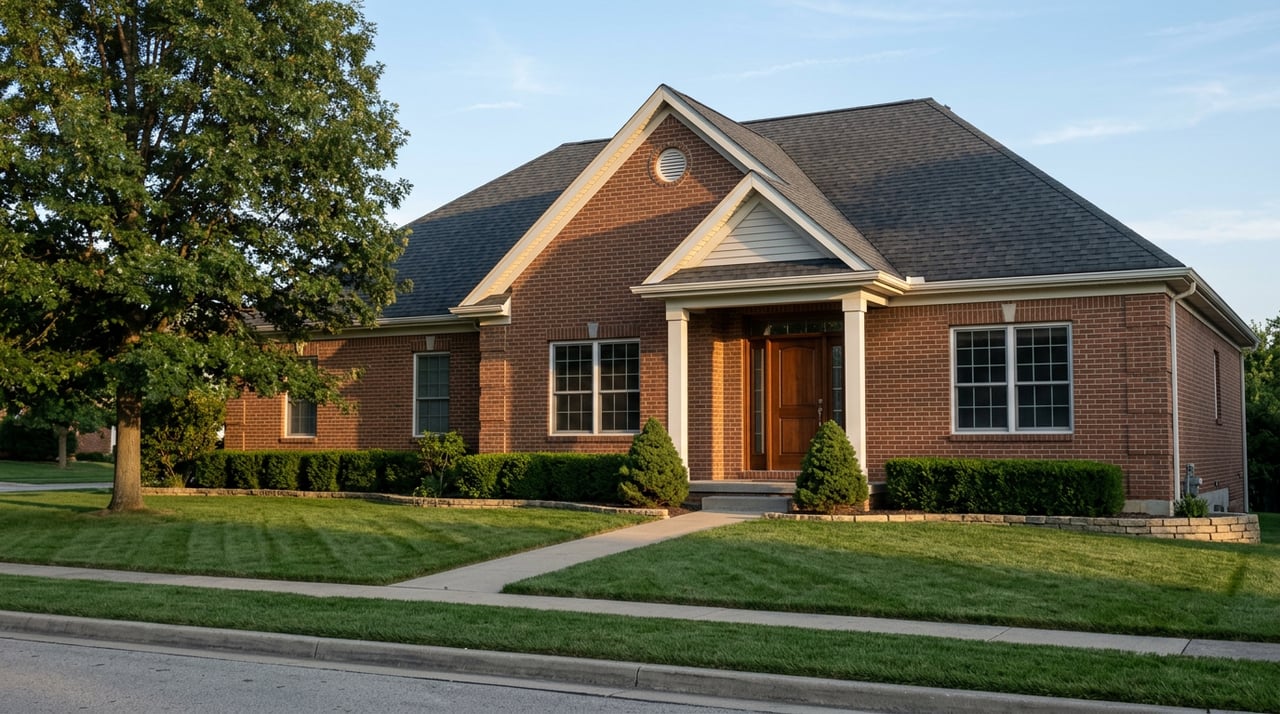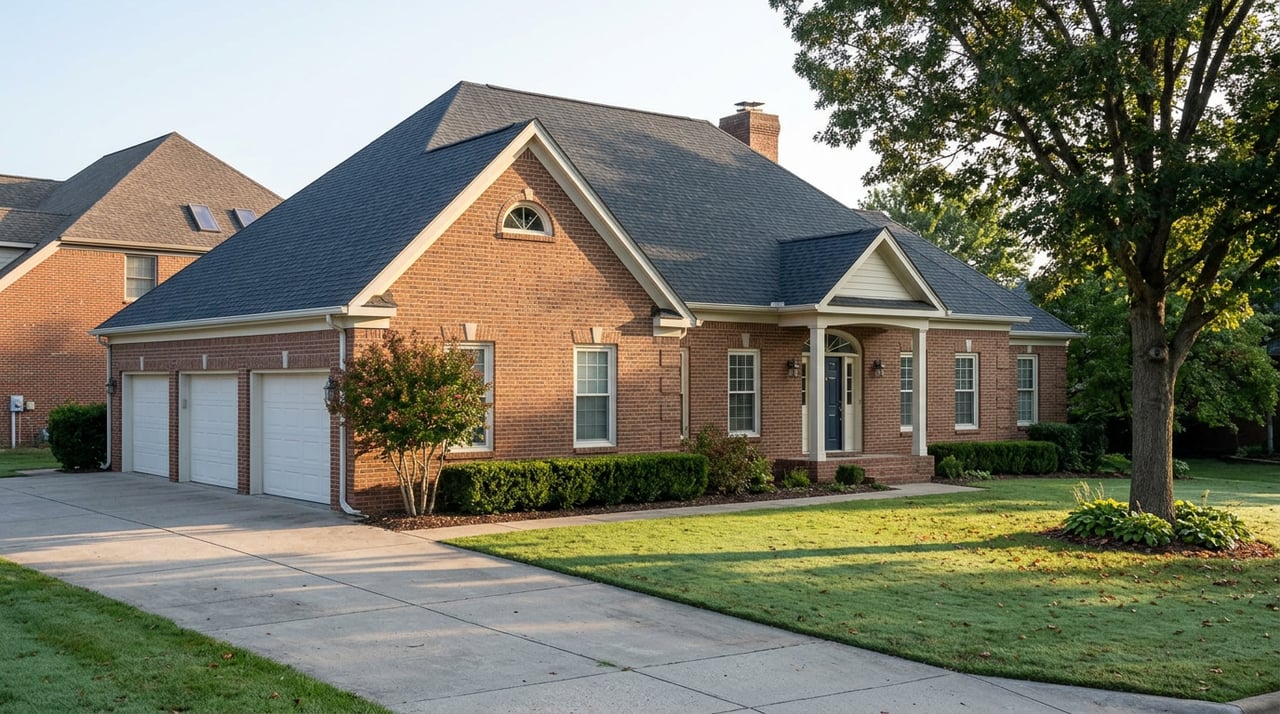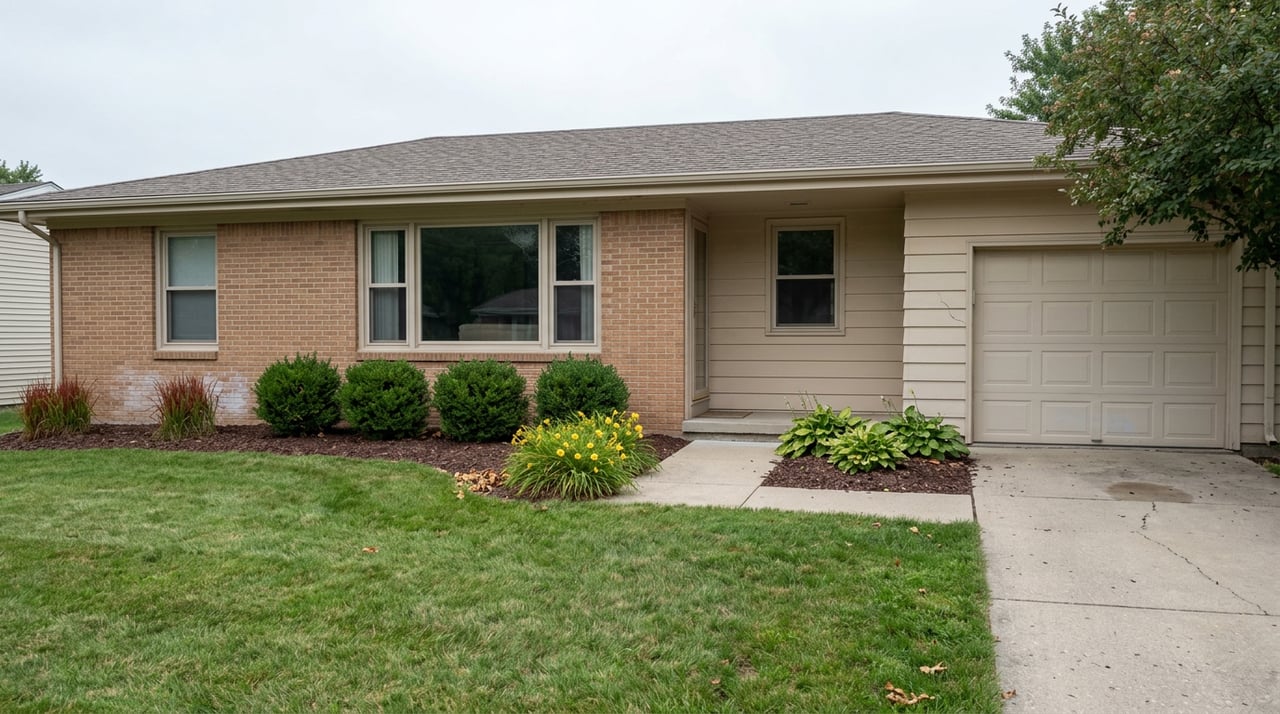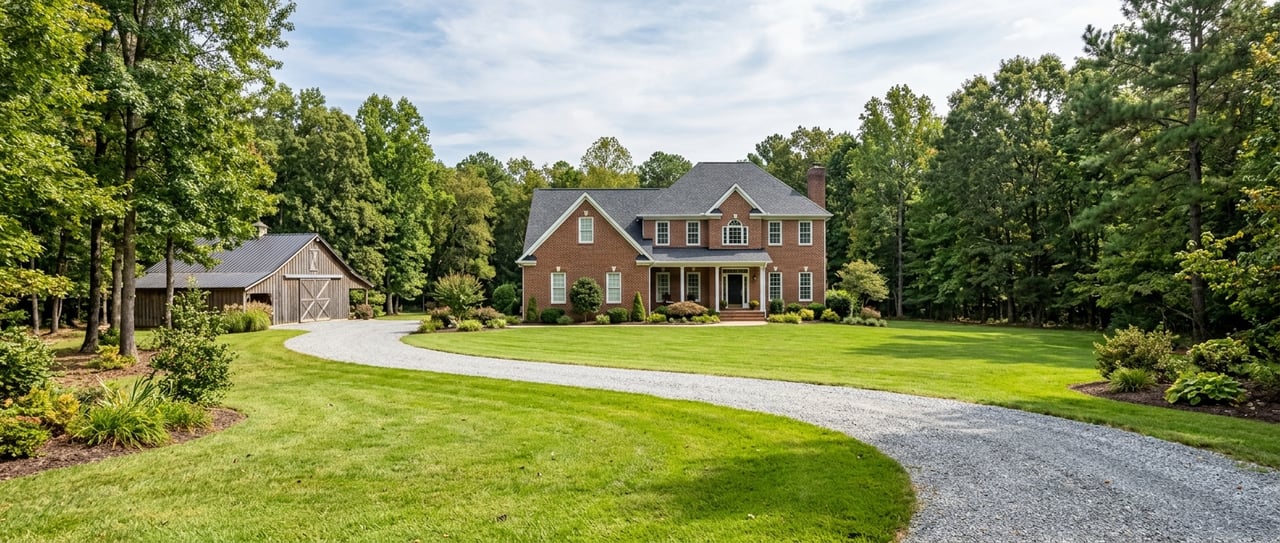
Looking for a home with a little more elbow room around Millstadt? You are not alone. Buyers are often drawn to small acreage for privacy, extra storage, hobby space, or room to plan ahead, but these properties come with a different set of questions than a typical in-town home. This guide will help you understand what to watch for when buying homes and small acreage around Millstadt, from market conditions to zoning, utilities, and due diligence. Let’s dive in.
Why Millstadt Acreage Buyers Need a Plan
If you are shopping for a home with land in or around Millstadt, it helps to know that the market appears relatively tight. As of March 2026, Redfin reported a median sale price in Millstadt of $258,334, while Realtor.com reported a median listing price of $436,750, about 40 days on market, and a 100% sale-to-list ratio, describing Millstadt as a seller’s market.
Those figures reflect different datasets and different measures, so they should be treated as separate market signals rather than one direct comparison. Still, taken together, they suggest that buyers looking for usable land or small acreage may face limited inventory and may need to act quickly when the right property becomes available.
Redfin also showed 5 land listings in Millstadt with a median listing price of $382,000. In St. Clair County overall, the March 2026 median sale price was $193,667 with a 98.8% sale-to-list ratio, which gives added context for how Millstadt fits into the wider county market.
Start With Location and Jurisdiction
One of the first questions to ask is simple: Is the property inside Millstadt village limits or in unincorporated St. Clair County? That answer affects zoning, permits, utility access, and how future plans may be reviewed.
A property with a Millstadt mailing address is not always governed by the same local rules as a parcel inside the village limits. Before you rely on a listing description, it is smart to confirm where the property sits and which local office has authority over zoning, building, and land division questions.
Zoning Shapes What You Can Do
When you buy a home with land, the acreage itself is only part of the story. The zoning district determines what uses are allowed, what setbacks apply, and whether the property can support features like accessory buildings, fencing, or certain housing types.
Millstadt’s zoning code includes Agricultural and several Residential districts that matter for acreage-oriented buyers. The Agricultural district requires 10 acres, 400 feet of width, and 500 feet of depth. The residential districts include:
- R-1 with a minimum lot size of 5,000 square feet
- R-2 with a minimum lot size of 10,800 square feet
- R-5 with a minimum lot size of 6,000 square feet
The R-5 district is especially important if you are considering a manufactured or mobile home. Millstadt’s code states that mobile or manufactured homes may not be located outside the R-5 district.
Permits Matter More Than Many Buyers Expect
Even if a property seems like it has plenty of room, you should not assume future projects will be automatic. Millstadt’s zoning and building page says permits are needed for new subdivisions, all new construction, swimming pools, fences, signs, decks and patios, total remodels or renovations, setback issues, special uses, variances, ordinance amendments, and electric upgrades.
That means if you are picturing a future workshop, new fence, pool, or major remodel, those plans should be reviewed early. A large yard does not always equal unrestricted flexibility.
Buying a Split Tract? Check Division Rules First
Some buyers are interested in a parcel that was recently split from a larger tract, or they hope to divide land later. In those cases, you need to verify more than just the advertised acreage.
Millstadt’s subdivision code says a single lot of less than five acres may be conveyed from a larger tract when a registered survey is prepared, though the Plan Commission may still request a plat or other documentation. At the county level, Mapping & Platting generally requires at least 5.00 acres and 50 feet of public road frontage for property divisions without a subdivision plat, unless an exemption applies.
Questions to Ask About a Parcel Split
Before moving forward, ask:
- Has the parcel already been legally divided?
- Is there a recorded survey or plat?
- Does the tract meet frontage requirements?
- Will a future split require additional review?
- Has the legal description been approved for recording?
These are not small details. They can affect financing, title work, future resale, and what you can do with the property later.
Utilities Can Be Very Different Outside Town
Acreage properties often come with utility setups that differ from a standard subdivision home. Millstadt operates a Streets, Water & Sewer department, but the St. Clair County Health Department notes that many rural homes are not connected to a municipal water system and instead use private wells.
The county’s Water & Private Sewage program regulates private water supply and private sewage systems. It requires permits before constructing or repairing a private sewage system or installing or renovating a well.
What Well and Septic Buyers Should Know
The St. Clair County Health Department lists these buyer-facing fees:
- Private sewage permits: $300
- Homeloan inspections: $300
- Well permits: $200
The department also says newly installed or renovated wells must be built by an Illinois Department of Public Health licensed well driller. It offers free water samples for new and existing wells, which can be a helpful part of your due diligence.
Illinois EPA guidance says a new well should be located at least:
- 10 feet from sewer lines
- 50 feet from septic tanks and barnyard or animal-confinement lots
- 75 feet from septic fields and manure piles
Illinois EPA also says private well owners are responsible for testing their water and recommends testing at least once a year for bacteria and nitrate.
Septic Systems Need Careful Review
A septic system can work well for many properties, but it deserves careful attention before you close. Illinois Extension advises buyers to contact the local health department first and look for permits, system diagrams, inspection photos, inspector qualifications, permit age, and any remodeling history.
A pre-purchase inspection is also a smart step. Key items include the age of the system, pumping and maintenance records, signs of leaks, drainfield condition, and any compliance records tied to the system.
Illinois Extension notes that replacement costs for an on-site system can sometimes approach $10,000. That is one reason septic due diligence is so important when you are buying a home with small acreage.
Ongoing Well and Septic Maintenance
Acreage homes often shift more maintenance responsibility to you as the owner. After closing, private systems still need attention.
For septic systems, a typical inspection schedule is every three to five years. For wells, owners should visually inspect exposed components, keep contaminants away from the wellhead, and stay current on water testing.
Do Not Skip Title, Survey, and Easement Review
With acreage property, boundaries and access are not always obvious from the listing photos. The St. Clair County Recorder of Deeds is the county’s official land records office for deeds, mortgages, subdivision plats, easements, liens, and annexations.
The Recorder’s FAQ says a title company should be used to verify that a property is free of liens. It also notes that easements may appear in the deed or subdivision plat, and if they do not, a title search or surveyor may be needed.
Why This Matters for Small Acreage
Acreage buyers should verify:
- Boundary lines n- Recorded easements
- Access points
- Encroachments
- Existing legal descriptions
A survey or updated plat can be especially useful when lot lines are irregular, fencing does not match record lines, or a buyer plans to add an outbuilding later.
Check Floodplain Status Before Closing
Floodplain review is another standard part of acreage due diligence. St. Clair County’s Floodplain Code relies on FEMA Flood Insurance Rate Maps, so a buyer should confirm whether any part of the property falls within a mapped flood hazard area.
This is especially important if the tract includes a drainage swale, a low-lying area, a creek edge, or a possible future building site. Even when the home itself appears fine, floodplain constraints can affect where you place a barn, shed, garage, or other improvement.
Property Taxes May Differ on Larger Tracts
Tax treatment can matter more as parcel size increases. The St. Clair County Assessor says assessments are based on fair market value as of January 1 of the reassessment year, and property record cards are available for parcels.
The Assessor also says farmland used for agricultural purposes for at least two consecutive years may qualify for preferential assessment based on agricultural economic value rather than full market value. If you are considering a larger tract, this is worth reviewing early so you understand how the property is currently classified.
A Smart Buyer Checklist for Millstadt Acreage
When you tour homes and small acreage around Millstadt, keep this checklist with you:
- Confirm whether the property is inside Millstadt village limits or in unincorporated St. Clair County
- Verify the zoning district and what it allows
- Ask whether water and sewer are municipal or private
- Review well and septic permits, inspections, and maintenance records
- Check whether any easements affect access or use
- Confirm setbacks before planning a fence, pool, shed, or outbuilding
- Review survey, plat, and legal description details
- Check floodplain status for the home site and any future improvement area
- Ask whether the parcel can support a future lot split
- Review current property tax classification and parcel records
Local Guidance Can Save Time and Stress
Buying a home with land often means balancing excitement with extra homework. The right property can give you more space and flexibility, but only if the zoning, utilities, access, and parcel details support your plans.
That is where experienced local guidance matters. A knowledgeable local agent can help you translate listing details into practical next steps by checking zoning, confirming utility status, reviewing plats and deeds, coordinating with the title company and health department, and spotting when a surveyor or zoning review should happen before you move forward.
If you are exploring homes and small acreage around Millstadt, Delores Doussard can help you sort through the details and move forward with confidence.
FAQs
What should buyers ask before buying small acreage around Millstadt?
- Ask whether the property is inside Millstadt village limits or in unincorporated St. Clair County, what zoning applies, whether utilities are municipal or private, whether easements or floodplain constraints exist, and whether the parcel can support future improvements or a later split.
What zoning rules matter for Millstadt acreage buyers?
- Millstadt’s code includes Agricultural, R-1, R-2, and R-5 districts, each with different lot-size standards, and the R-5 district is the only residential district that allows mobile or manufactured homes on individual lots.
What should buyers know about wells and septic systems in St. Clair County?
- Many rural homes use private wells and septic systems, and the St. Clair County Health Department requires permits for private sewage work and for installing or renovating wells.
How often should a septic system and private well be checked?
- A typical septic system should be inspected every three to five years, and private well owners should test water at least once a year for bacteria and nitrate.
Why is a survey important when buying acreage near Millstadt?
- A survey can help confirm boundary lines, identify easements, and clarify whether the parcel layout supports your plans for access, fencing, or future outbuildings.
Can farmland tax treatment affect a property purchase in St. Clair County?
- Yes, the St. Clair County Assessor says farmland used for agricultural purposes for at least two consecutive years may qualify for preferential assessment based on agricultural economic value rather than full market value.