Pull up two real estate sites in the same week and search Fairview Heights, Illinois. One will tell you the median home sold for $339,900 in June 2026. The other will tell you the typical home value that same month sits closer to $250,000, with the median list price barely clearing $213,000. Both numbers came from the same thirty-day window. Neither one is wrong.
That gap is usually where a buyer gives up and just calls the number that sounds better. It's worth sitting with instead, because the reason Fairview Heights refuses to settle on one price tells you more about the town than either number does on its own.
A Small Sample Wearing a Big Range
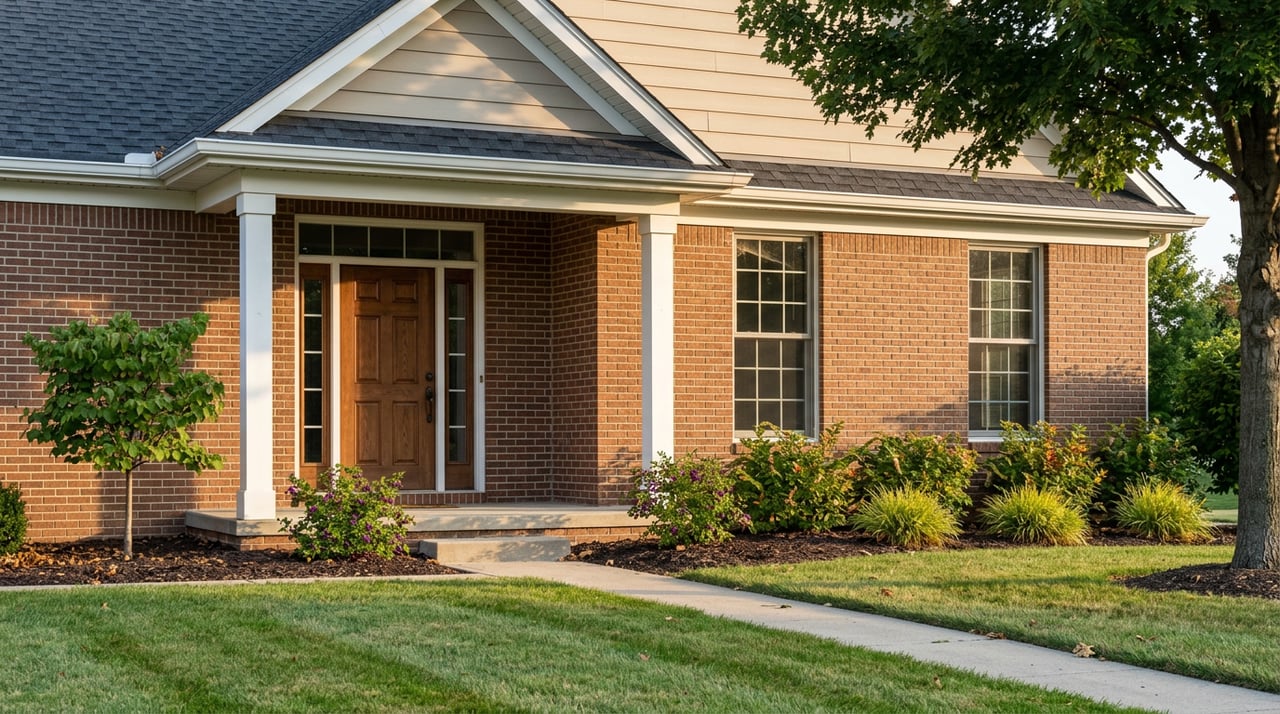
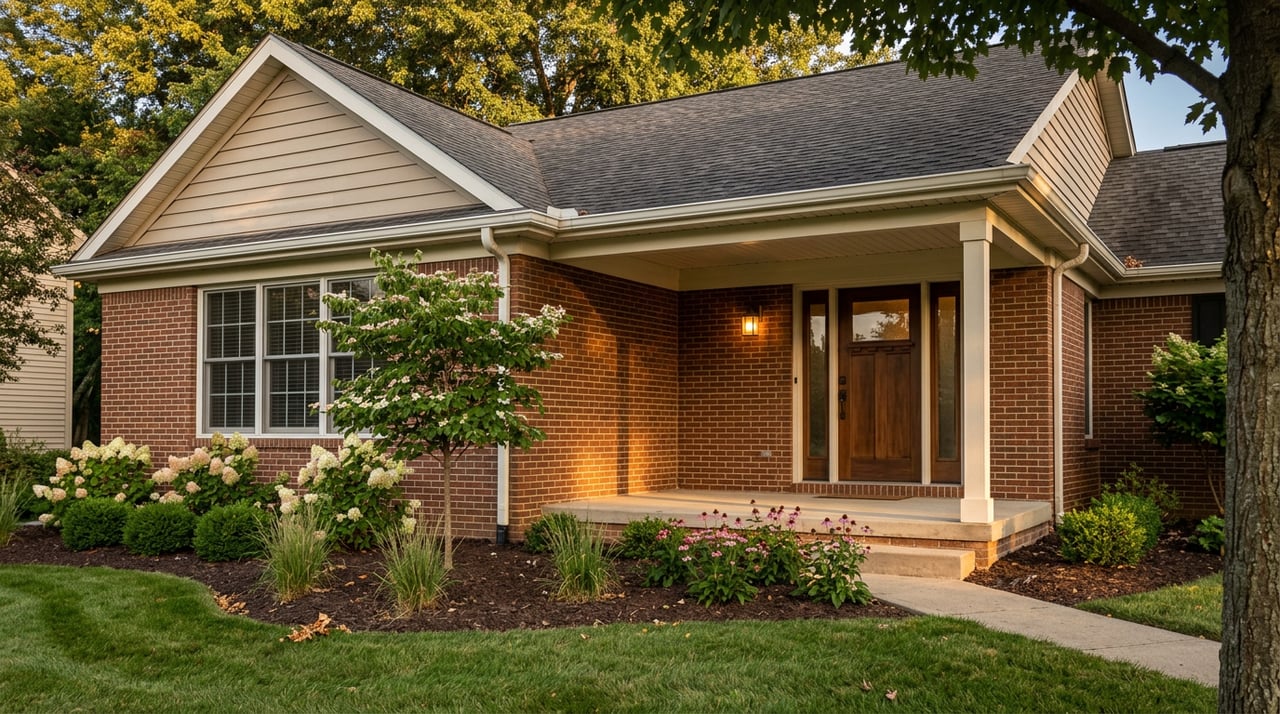
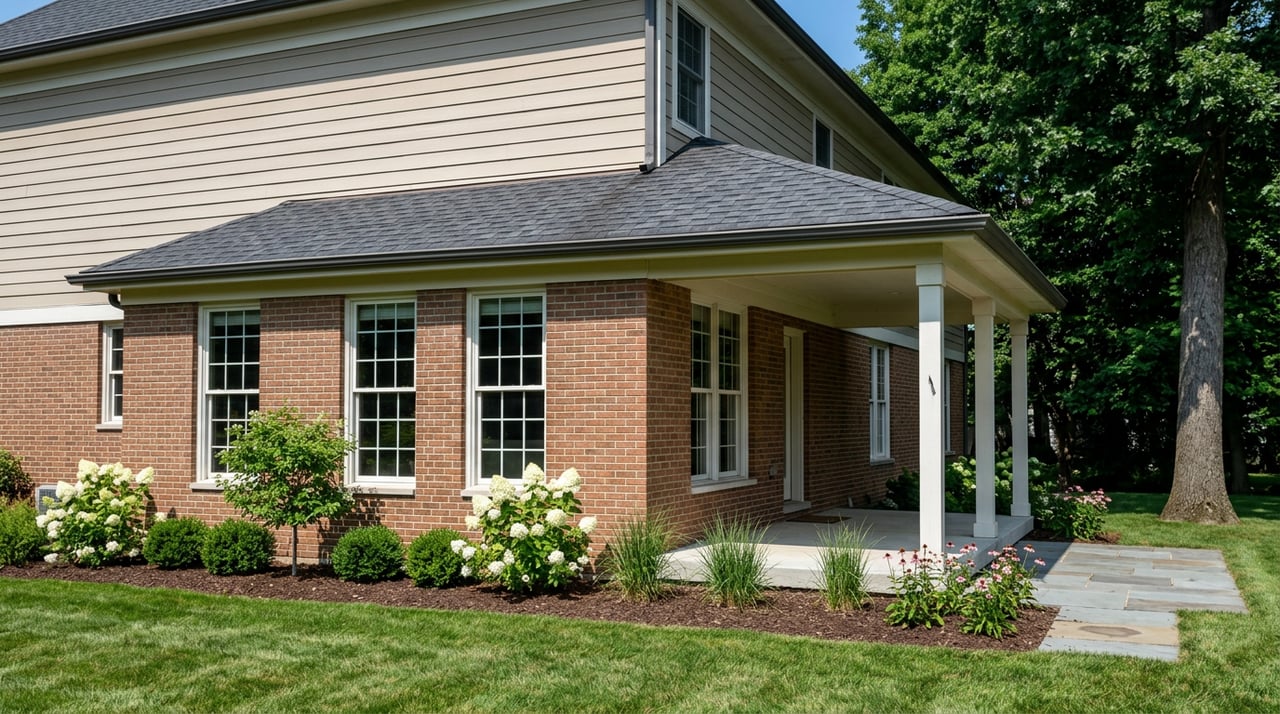
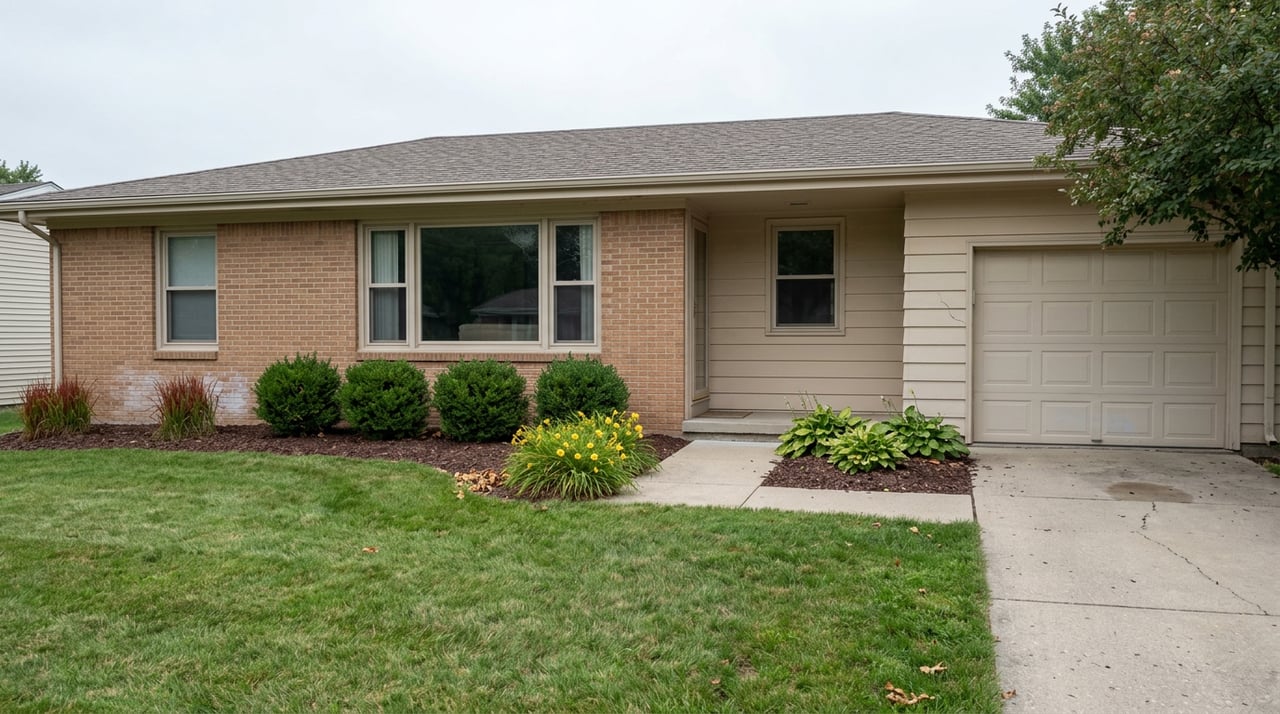
Fairview Heights sold 74 homes in June 2026, compared with 79 during the same month a year earlier. That's not a large enough pool to smooth out what's actually a lopsided housing stock. Most of the city's single-family homes were built between the 1970s and 2000s, concentrated in established ranch and bi-level subdivisions near Moody Park and along the city's southern edges, the kind of homes that draw first-time buyers and retirees looking for manageable square footage on a settled block. New construction has been limited for years, mostly because there isn't much undeveloped land left to build on.
Drop even a handful of fully renovated flips or larger updated homes into that mix during a given month, and the median swings hard in one direction. Pull a month heavy on modest, unrenovated ranches, and it swings back. Days on market moved from 41 to 46 over the same period, a small shift that fits a market where buyers are being more selective about condition rather than racing to close on anything available. The scatter in the price data isn't a data problem. It's what a retail-and-ranch-house town looks like when you zoom in close enough to see the individual sales instead of a smoothed trend line.
The Growth Engine Here Isn't a New Subdivision
In a lot of Metro East communities, the story of rising value is a story about acreage: land gets platted, builders show up, subdivisions fill in. Fairview Heights doesn't have that lever available in the same way. What it has instead is St. Clair Square, the retail anchor that's carried the city's tax base since 1974 and still holds Macy's, Dillard's, and JCPenney as anchors alongside more than a hundred specialty stores.
In September 2025, the city approved a new tax increment financing district wrapping the mall to support redevelopment there. Less than a year later, that financing showed up as an actual project. The city is replacing the traditional four-way stop at Market Place and Commerce Lane, the mall's main entrance, with a roundabout, as part of what the city calls its 2026 St. Clair Square Entrance Capital Improvement Project. The engineering firm Thouvenot, Wade & Moerchen Inc. is designing it. The city council voted to authorize Mayor Mark Kupsky to sign the agreement, and the design phase alone is running about $278,077.
Here's the detail that actually matters for a buyer weighing Fairview Heights against a neighboring town: none of that money is coming from the city's general fund. Dallas Alley, the city's director of land use and economic development, confirmed the funding stack looks like this:
- Tax collected directly at St. Clair Square
- Tax Increment Financing District 7 funds tied to the mall's redevelopment zone
- Business district funds covering the same commercial area
That's a fully self-contained financing loop. The mall generates the tax revenue, the increment gets captured in its own district, and the district pays for the infrastructure that keeps the mall functioning as the city's commercial center. Residents outside the TIF boundary aren't picking up the tab through a general tax increase.
Why a Roundabout Is a Financial Signal, Not Just a Traffic Fix
A roundabout at a mall entrance sounds like municipal housekeeping, and on the surface it is. But watch what it tells you about where the city is choosing to reinvest. Fairview Heights isn't funding growth by opening new land to development the way a town without a built-out commercial core might. It's funding infrastructure improvements by capturing the increment its existing retail base already produces and putting that money right back into the corridor that generates it.
That's a different growth model than a town expanding outward through new-build subdivisions, and it changes what "buying in Fairview Heights" actually means. A homeowner in a 1980s ranch a few streets back from Old Collinsville Road or IL-159 isn't betting on a builder finishing out a new phase of a subdivision. They're betting on the town's retail corridor staying healthy enough to keep generating the tax increment that funds the roads, signage, and safety upgrades around it. The mall's performance and the neighborhood's infrastructure are more directly linked here than in a town where residential and commercial tax bases sit further apart.
For a buyer comparing towns, that's worth naming out loud instead of leaving implied. A subdivision-driven suburb's future value depends heavily on continued building and continued population inflow. A retail-anchored suburb like Fairview Heights ties more of its infrastructure future to how well its existing commercial core performs and reinvests. Neither model is better on its face. They're just different bets, and most portal listings won't tell you which one you're making.
What the Numbers Actually Buy You
| Movoto, June 2026 | Agent Pronto, period ending June 2026 | |
|---|---|---|
| Reported figure | $339,900 median sale price | ~$250,000 typical home value |
| List price context | Not broken out | ~$213,000 median list |
| Days on market | 46, up from 41 a year prior | 32 |
| Share selling above asking | Not broken out | About 50 percent |
Read side by side, the honest takeaway is that Fairview Heights currently rewards a buyer willing to compete for a well-priced, well-maintained home and penalizes anyone hoping to lowball a dated one. Inventory has tightened, with active listings down more than 20 percent year over year and roughly 1.3 months of supply, which is a seller's market by most standard measures even while the headline median jumps around from source to source.
If you want a walkable retail corridor within a short drive of downtown St. Louis, established ranch and bi-level housing stock at a range of price points, and easy access to Pleasant Ridge Park and Longacre Park for everyday outdoor time, that combination is still on the table here. If what you want is a brand-new build on a larger lot, the limited remaining developable land means you're more likely to find that in a neighboring community than in Fairview Heights itself.
What To Watch Over the Next Year
The design phase of the roundabout project is still early. Construction timing, and whether the city pursues additional projects using the same TIF District 7 structure, will say a lot about how far this financing model gets pushed. A district approved in September 2025 with an active capital project moving through design in 2026 is young enough that its full effect on surrounding property values hasn't shown up in the sales data yet. That's exactly the kind of local detail worth tracking if you're deciding between Fairview Heights and a neighboring town over the next twelve months, rather than relying on whichever median price a search result happens to surface first.
A Few Questions Worth Asking Before You Compare Towns
Does a TIF district raise property taxes for homeowners nearby? Not directly. The mechanism captures the increase in tax revenue generated within the district as property and sales values rise there, and redirects that increment to projects inside the district boundary. It doesn't add a new tax rate on residential parcels outside it.
Will the roundabout affect daily traffic near the mall? During construction, likely yes, in the way any intersection project does. The stated goal is improved traffic flow and safety at what's currently a standard four-way stop, plus fewer cars idling through the intersection.
Is a retail-anchored suburb a riskier long-term hold than a new-subdivision suburb? Not inherently. It's a different kind of exposure. Your home's surrounding infrastructure investment is tied more closely to the commercial corridor's health, rather than to continued residential expansion. Worth weighing against your own timeline and risk tolerance.
If you're actually trying to decide between Fairview Heights and a neighboring Metro East town, the median price alone won't get you there. The financing behind the infrastructure will tell you more. Delores Doussard and the Dream Team spend their days inside exactly this kind of local detail. Schedule a free consultation and get a read on what a specific address, not a portal average, is actually worth right now.