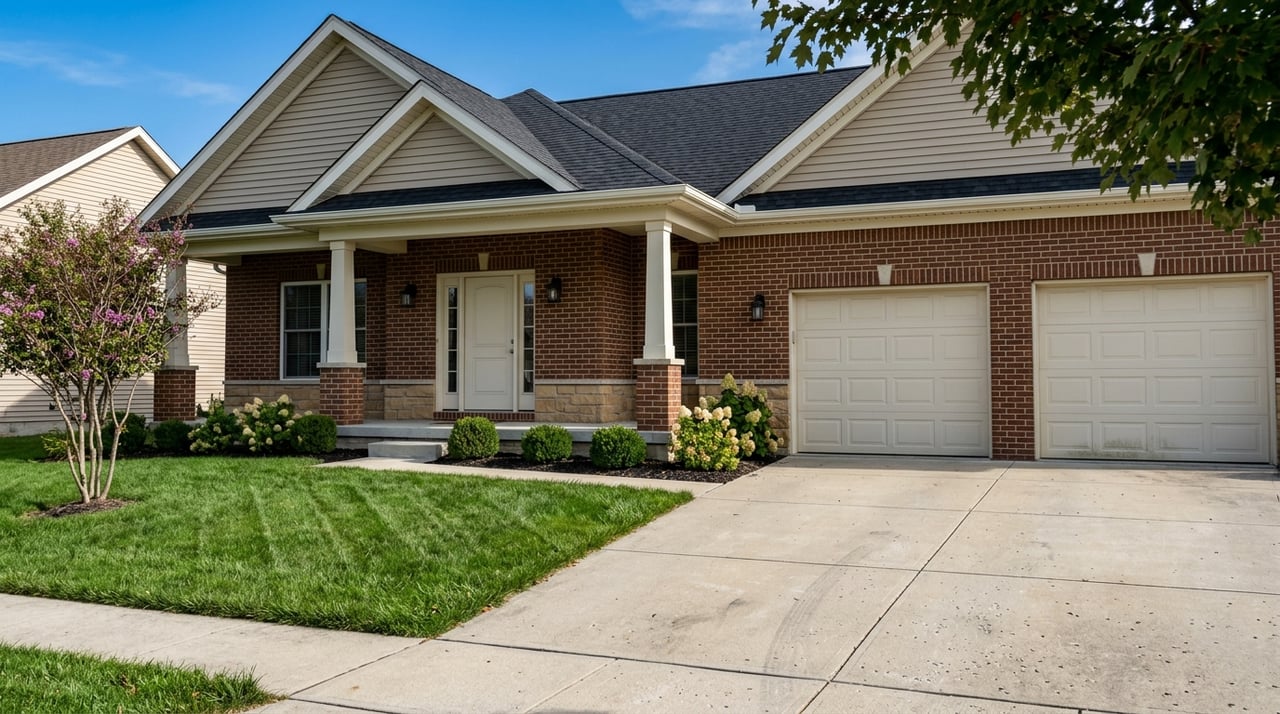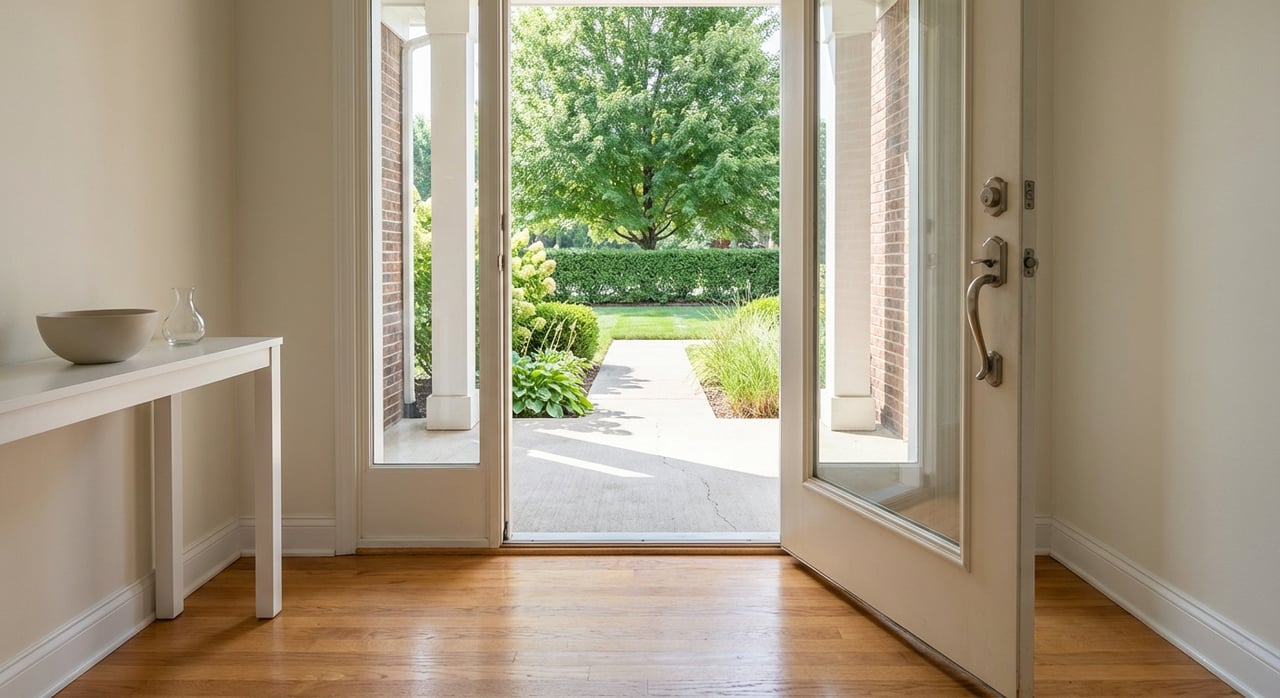
Thinking about selling your Belleville home this season? With buyer demand tied to Metro-East commutes and Scott Air Force Base moves, a focused plan can help you sell faster and for more. You want a smooth process, clear steps, and smart investments that actually pay off. In this guide, you’ll learn the key prep moves, Illinois legal must-dos, pricing and timing tips, and a week-by-week plan tailored to Belleville. Let’s dive in.
Know today’s Belleville market
Recent reports show Belleville’s median sale price around $144,000 with typical days on market in the mid 40s. St. Clair County’s median is around $179,900 with average days on market near 49. Figures vary by ZIP code and property type, so use them as context, not a price quote.
Your best next step is a current comparative market analysis for your specific neighborhood. Activity is often strongest in the first two weeks, so pairing the right price with strong presentation matters. Belleville’s buyer pool includes commuters and military households, which shapes what features stand out. You can explore local context about Scott Air Force Base to understand demand drivers in the area on the city’s site about the base’s regional role.
Handle Illinois legal must-dos early
Complete required seller disclosures
Illinois requires most sellers of 1–4 unit residential properties to deliver a Residential Real Property Disclosure Report before a buyer signs a contract. The law also requires you to supplement the disclosure if you learn new information. Review the statutory requirements and complete this early to avoid delays. You can read the Residential Real Property Disclosure Act on the Illinois General Assembly’s site.
Provide lead-based paint info for pre-1978 homes
If your home was built before 1978, federal rules require you to give buyers the EPA/HUD pamphlet, disclose any known lead information, and offer an inspection opportunity. Learn more from the EPA’s guide, “Protect Your Family From Lead in Your Home.”
Understand transfer taxes and closing costs
Illinois collects a real estate transfer tax, and some counties add a portion as well. Title companies usually calculate and pay this at recording, but you should budget for transfer stamps or recording fees, prorated taxes, mortgage payoff, and customary seller costs. Read the Illinois Department of Revenue’s guidance to understand how the PTAX declaration and taxes work.
Ensure full MLS exposure and syndication
Your listing should enter the regional MLS that covers St. Clair County within the St. Louis metro footprint. That MLS syndicates to major home search sites used by buyers. Confirm with your agent that the home is entered correctly, with complete fields and high-quality assets, so syndication works well. You can see MARIS coverage details here.
Prep that boosts value
Declutter and deep clean
Start with the highest return items: remove excess furniture, clear surfaces, and pack away personal items. Then deep clean kitchens, baths, floors, windows, and baseboards. National agent guidance consistently ranks decluttering and cleaning as the top, low-cost improvements. For more staging basics, see NAR’s seller staging resources.
Quick wins:
- Box up out-of-season items and store them offsite if possible.
- Edit closets to about one-third full so they look spacious.
- Replace worn bath mats, shower liners, and switch plates.
Curb appeal that clicks in photos
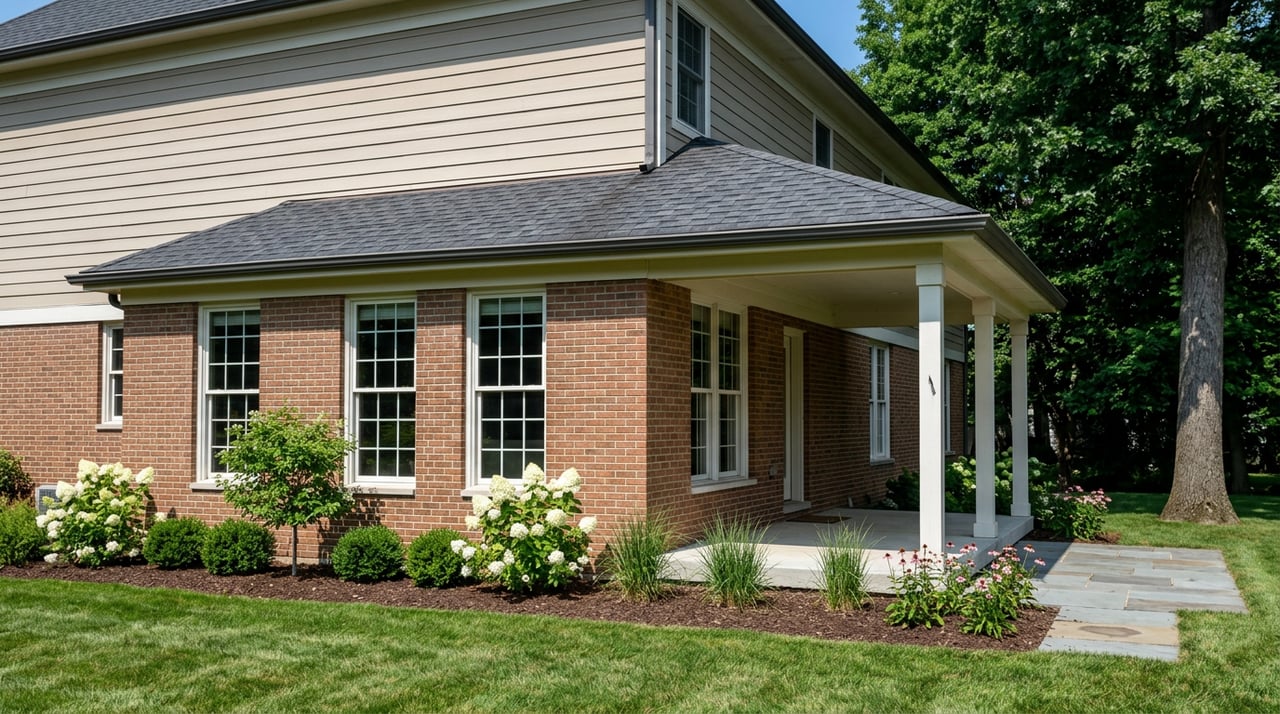
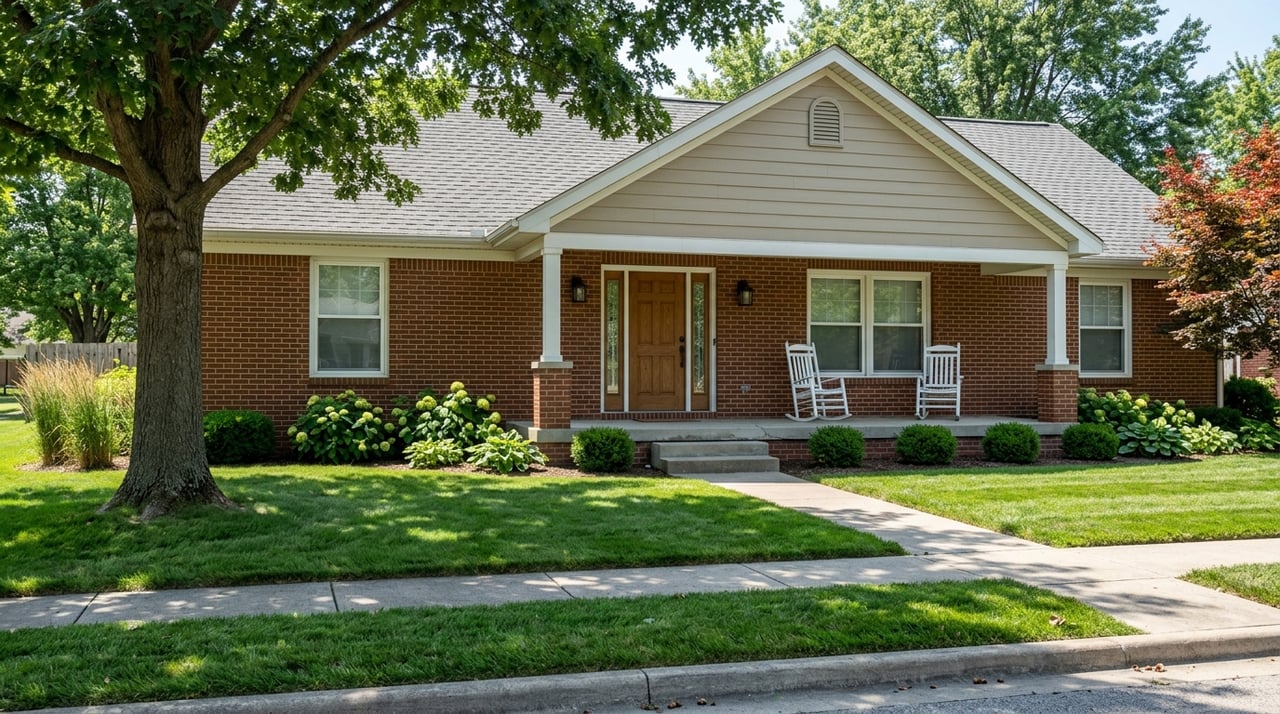
Tidy landscaping boosts first impressions and photo thumbnails. Mow, edge, trim shrubs, and add fresh mulch. Sweep porches, pressure-wash walkways, and refresh the welcome mat. A clean, bright entry sets the tone for showings and helps buyers feel confident about overall maintenance.
Fix small functional issues
Repair dripping faucets, sticky doors, loose handrails, and non-working lights. These issues can trigger inspection concerns or make buyers wonder about larger maintenance. Aim to have lights consistent and bright, doors glide smoothly, and fixtures feel solid.
Smart updates and staging
Focus on light, neutral updates
Cosmetic changes often have the best return. Consider neutral interior paint, updated door hardware, modern light fixtures, and fresh faucets in kitchens and baths. If carpet is worn, replacement in key rooms can help. The goal is to brighten spaces, remove personalization, and fix visible wear so buyers see “move-in ready.” See NAR’s guidance on staging and prep priorities.
Stage key rooms to speed results
NAR research shows staging often reduces time on market and can modestly increase offers. The living room, primary bedroom, and kitchen deliver the most impact. You can choose full, partial, or virtual staging based on budget and what you already own. Many sellers invest a few hundred to a few thousand dollars depending on scope. Read more about staging effects and agent insights in NAR’s report.
Staging tips:
- Create a simple focal point in each room and open up traffic flow.
- Use lighter textiles and lamps to increase brightness.
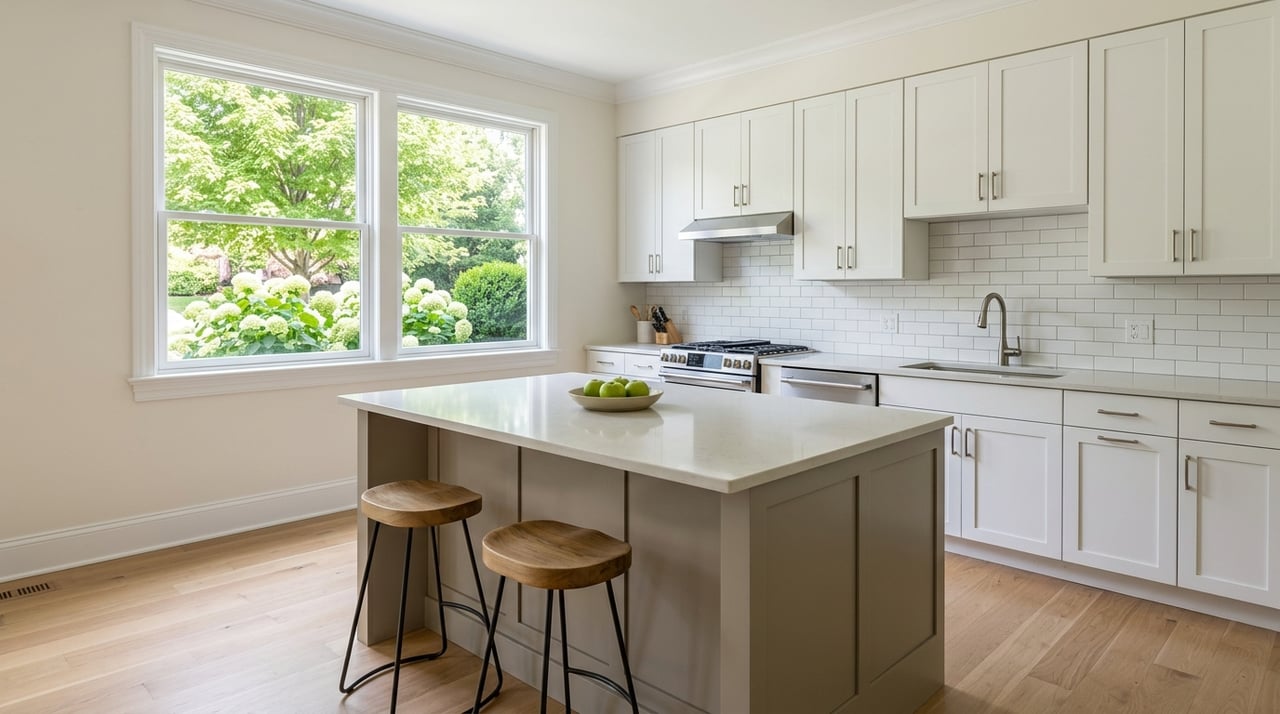
- Style kitchen counters with just a few neutral items.
Win online with photos and tours
Professional listing photos earn more attention and can shorten days on market. Industry analyses have found that pro photography correlates with faster sales and better outcomes in many price brackets. Budget for a single shoot and consider adding a short video or 3D tour if your layout benefits from it. See a summary of photography ROI findings.
Photo prep checklist:
- Replace burned-out bulbs and use the same color temperature throughout.
- Open blinds and curtains for even natural light.
- Hide cords, trash bins, and small appliances.
Price for maximum early traffic
Use a current CMA focused on recent nearby sales. Small price differences at launch can shift how many buyers see and tour your home in the first 1–2 weeks. Resist the urge to “test high” if local comps do not support it. A well-priced, well-presented Belleville listing often competes strongly against county-wide options, especially when it shows as move-in ready.
Ask your agent to outline a contingency plan too. For example, agree on a review point after 10–14 days to reassess showings and feedback and adjust if needed.
Pick the right week to list
Spring usually brings the strongest buyer demand. Recent seasonal analysis for the St. Louis MO–IL metro points to late March as a historically strong listing window, slightly earlier than national averages. Plan your prep so you can hit that window if market conditions allow. A good rule of thumb is to start preparing 4–8 weeks before your target date so you are ready with final cleaning, staging, and photos.
Your 8-week listing plan
- Weeks 8–6: Interview an agent, order a CMA, and discuss whether a pre-listing inspection makes sense. Start decluttering and deep cleaning.
- Weeks 6–4: Complete small repairs and touch-up paint. Decide on full, partial, or virtual staging. Book your photographer for the week before listing.
- Weeks 4–2: Boost curb appeal, finalize staging, and gather paperwork like your completed disclosure, utility info, mortgage payoff details, and any HOA documents.
- Weeks 2–1: Finish staging, do professional photos and any video or 3D tour. Confirm MLS entry details, syndication settings, and your go-live date. Coordinate showings for the first weekend.
Seller checklist
Use this to keep your sale on track:
- Complete the Illinois Residential Real Property Disclosure Report and deliver it before contract. Review the statutory requirements.
- If built before 1978, provide the EPA/HUD lead pamphlet and disclose known lead information.
- Declutter and deep clean the entire home.
- Tackle small, visible repairs and replace outdated, worn items.
- Freshen curb appeal with mowing, trimming, mulch, and a clean entry.
- Stage the living room, primary bedroom, and kitchen; use full, partial, or virtual staging as budget allows. See NAR’s research on staging impact.
- Book professional photography and consider a short video or 3D tour. Review photography ROI findings.
- Prepare documents: utility invoices, mortgage payoff info, HOA/resale documents, and recent service records.
- Align on pricing strategy and set a review checkpoint after 7–14 days on market.
- Confirm transfer tax, PTAX filing, recording fees, and who pays what at closing using Illinois Department of Revenue guidance.
Marketing that shortens days on market
- Complete MLS fields fully and accurately. Include quality photos, a clear description, and feature updates. Confirm syndication is active on day one.
- Post eye-catching images and the virtual tour link on social channels when the listing goes live.
- Consider a broker open to get local agents through early.
- Share pre-emptive disclosures and recent service records to reduce inspection-related surprises and renegotiation risk.
Ready to build your custom plan for timing, pricing, and prep? Reach out for a quick strategy call and a current CMA for your neighborhood. Schedule your Free Consultation with Delores Doussard to get started.
FAQs
When is the best time to sell a home in Belleville?
- Spring typically brings stronger buyer activity in the St. Louis MO–IL metro, with a historically strong window in late March, so start prep 4–8 weeks in advance.
What repairs should I do before listing my Belleville house?
- Prioritize small, visible fixes like lights, faucets, doors, and touch-up paint, plus deep cleaning and curb appeal to make the home feel well maintained.
Do I need to stage, and what rooms matter most?
- Staging often reduces days on market and can increase offers; focus on the living room, primary bedroom, and kitchen for the biggest impact.
What disclosures are Illinois home sellers required to provide?
- Most sellers of 1–4 unit homes must deliver the Illinois Residential Real Property Disclosure before contract and supplement it if new information arises.
Do I need professional photos of my Belleville home?
- Yes, pro photography helps your listing attract more online views and can shorten time on market; add a short video or 3D tour if it enhances the layout.
Who pays transfer taxes when I sell in St. Clair County?
- Illinois real estate transfer tax is typically handled at closing through the title company; confirm exact amounts and who pays each item for your transaction.