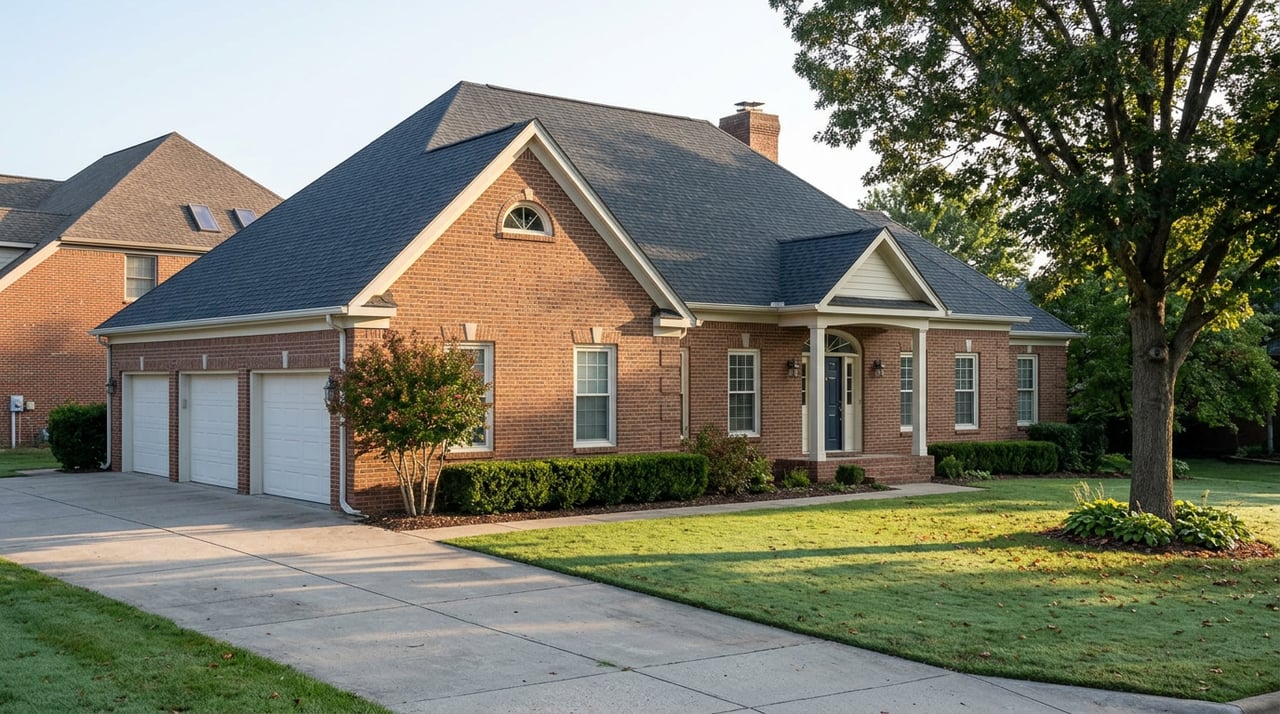
If you're touring homes near the Public Square this September, block extra time. Rooters American Maintenance started street and ADA ramp work on West Main Street the first week of August, tearing up the stretch from Illinois 159 west through 3rd Street as the first phase of a resurfacing project. It's a temporary headache for anyone trying to get a showing in on a lunch break. It's also a small, useful clue about a bigger story: the part of Belleville getting the construction crew is not the part of town where the growth is happening, and that split explains something the median price won't tell you on its own.
The Number That Isn't Telling You Much
Pull up Belleville's housing numbers and the headline is almost aggressively boring. Over the trailing twelve months through June 2026, the city recorded roughly 1,025 closed residential sales at a median price of $177,250, up just 0.9% from the prior year's $175,750. That's essentially flat. Homes are moving at a median of 34 days on market, against 263 active listings, working out to about $108 per square foot on a typical 1,641-square-foot home.
With over a thousand closings behind it, that's not a thin, noisy sample. It's a real signal. But a flat citywide median from a market this size usually means one of two things: either nothing interesting is happening, or two different things are happening at once and canceling each other out in the average. Belleville is the second case.
Three Price Tiers Wearing One ZIP Code
Split the same twelve months of sales by geography and the flat line breaks into something with actual shape.
| Tier | Typical price | What it is |
|---|---|---|
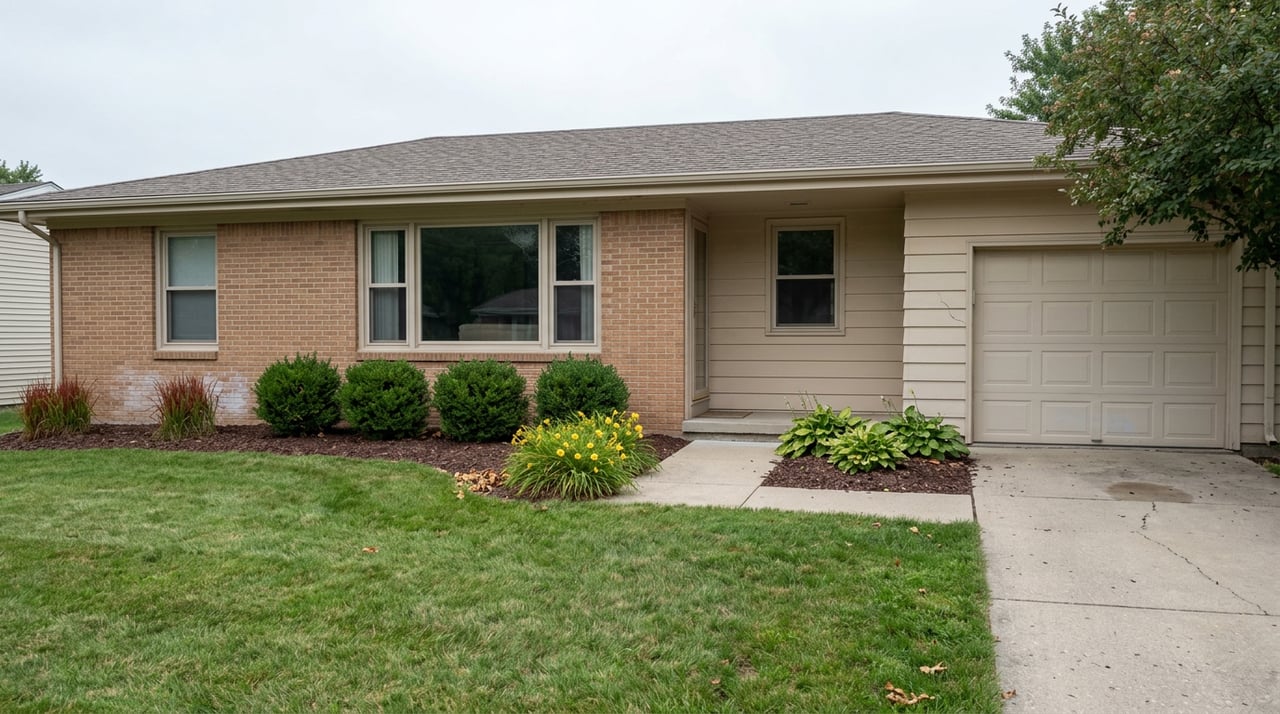
| Downtown & Old Belleville | Around $125,000 | Older housing stock within walking distance of the Public Square and Main Street shops |
| Citywide typical | About $177,250 | A mix of mid-century and updated homes across the city |
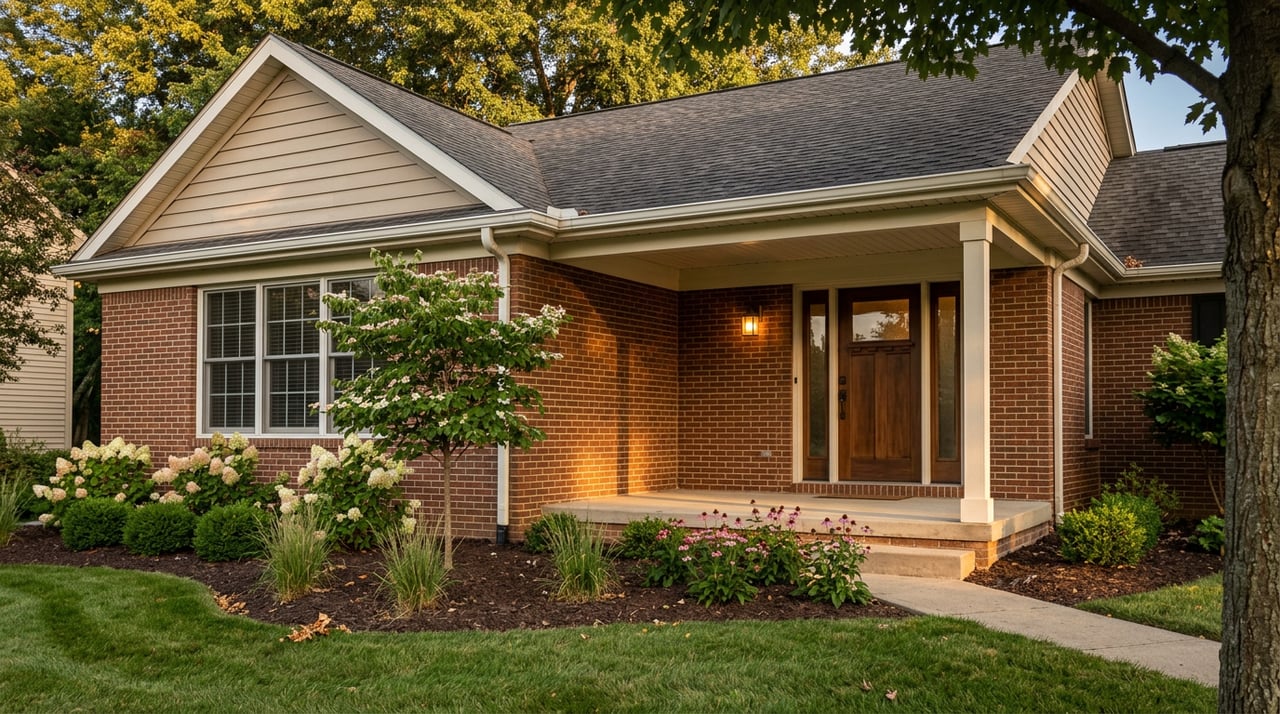
| East-side subdivisions | Around $260,000 | Newer construction toward Green Mount Road and the Eckert's/Orchard Loop area |
That's not a small spread. A buyer comparing "Belleville's median" against a neighboring town's median is really comparing a blend of a walkable 1800s streetcar neighborhood and a growing subdivision corridor, as if they were one product. They aren't.
The Constraint the New-Build Listings Won't Mention
The historic core stays cheap relative to the east side for a structural reason, not a quality one. There's only so much land left to build on inside Old Belleville. The city has run infill redevelopment efforts for years aimed at getting vacant, older properties back onto the tax rolls rather than adding new subdivisions, because the neighborhood is already built out. That constraint caps how much new supply can enter the close-in market, which keeps prices anchored to what the existing housing stock can support rather than to new-construction costs.
The east side works the opposite way. Toward Green Mount Road there's still open land, which is exactly where builders can put up new product and price it against replacement cost instead of against a 1920s frame house three blocks from downtown. That's the real driver of the $260,000 tier: not better schools, not a better commute, just the ability to build new.
The Address That Isn't What It Looks Like
One detail worth checking before you fall in love with a listing: address and school district don't always match assumption in this corridor. Green Mount Manor, a McBride Homes community on the east side near Highway 64 with access to I-255, carries a Belleville mailing address but sits in the Mascoutah school district, with Wingate Elementary within walking distance. If you're comparing homes across the east-side tier assuming everything with a Belleville address feeds into Belleville's own district, that assumption can be wrong for a specific parcel. It's a five-minute check with the school district directly, and it's the kind of check that matters more than the number on the sign out front.
What Keeps the Old Core From Collapsing
Here's the part that a straight builder's-cost story misses. If the historic core is capped on new supply and stuck with older housing stock, why hasn't its price tier just eroded relative to everything else? Because it's not competing purely on square footage.
Belleville has a MetroLink Red Line station about a mile from the center of town, with park-and-ride parking and a one-seat ride into St. Louis, on top of a roughly 25-minute drive downtown by car. That's a real commuter advantage that the east-side subdivisions, further from the station, don't share in the same way. It's also the part of town that still runs a weekly outdoor gathering, the West Main Village Market, featuring local makers, food, and music around the same stretch currently getting new sidewalk ramps.
Put those two things together and the construction crew on West Main isn't tearing up a sleepy, forgotten corner of the city. It's working on the one part of Belleville where transit access and neighborhood life are doing the job that new square footage does on the east side. That's why the entry tier holds value instead of sliding toward zero: buyers aren't just paying for an older house, they're paying for proximity to a train platform and a walkable Main Street, and that has a floor.
What This Means If You're Comparing Neighborhoods
If you're cross-shopping Belleville against O'Fallon, Swansea, or Fairview Heights using median price alone, you're comparing one blended number against another blended number and hoping the blends are similar. They usually aren't. The more useful question for Belleville specifically is which of its three tiers you're actually shopping in, because "Belleville" the citywide average and "Belleville" the specific block you're touring can be $135,000 apart.
That also means days-on-market and competition levels can vary block to block in ways the citywide 34-day median won't show. A move-in-ready home near the Public Square in a walkable pocket may draw faster offers than the citywide median suggests, while a similarly priced fixer several blocks out may sit closer to that 34-day mark or beyond.
A Few Questions Worth Asking Before You Write an Offer
Does a Belleville address guarantee Belleville schools? No. As the Green Mount Manor example shows, some Belleville-addressed communities on the east side are assigned to Mascoutah's school district. Confirm the specific district assignment for a parcel directly with the district rather than assuming it from the mailing address.
Will the West Main Street construction affect home values in the historic core? The current work is street and ADA ramp resurfacing in its first phase, the kind of infrastructure project that creates short-term access friction during construction rather than a lasting effect on value. Ask your agent for the current phase timeline before scheduling showings on that stretch.
Why has Belleville's median price barely moved this year? Because it's an average of two markets moving for different reasons: a supply-constrained historic core anchored by walkability and transit access, and a still-buildable east side pricing against new-construction cost. Watch the tiers separately if you want a read on where the market is actually heading.
Belleville rewards buyers who ask which neighborhood they're really comparing, not just which median. If you want a clearer read on what a specific block or subdivision is doing right now, Delores Doussard's Dream Team can walk you through the current inventory in both the historic core and the east-side corridor and help you figure out which tier actually fits your budget and your priorities. Schedule a free consultation and let's find your Belleville.